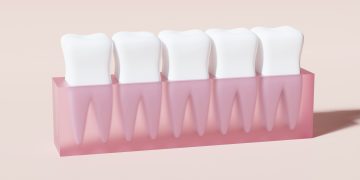


Gum disease is caused by a build-up of bacteria around the teeth and gums, which triggers inflammation and, if left untreated, gradually damages the tissues and bone that support your teeth. Many adults are surprised by how quietly this process can start, often without pain, making it easy to ignore until real damage has already occurred.
In the UK, around 45% of adults show signs of some form of gum disease, and severe periodontitis affects roughly 10% of the population. Despite how common it is, gum disease is still widely misunderstood and frequently mistaken for a minor dental issue rather than a long term health concern.
What exactly is gum disease?
Gum disease is an inflammatory condition that affects the tissues surrounding the teeth. It usually begins as gingivitis, where gums become red, swollen and prone to bleeding. At this stage, the damage is still reversible. If the inflammation continues, it can progress into periodontitis, where the gums pull away from the teeth and bone loss begins.
Once periodontitis develops, the condition becomes far more difficult to manage and may eventually lead to loose teeth or tooth loss. This progression often happens slowly, which is why many adults do not realise anything is wrong until symptoms become more obvious.
Why does plaque cause so much damage?
Plaque is a sticky film of bacteria that constantly forms on teeth. When it is not removed thoroughly, the bacteria release toxins that irritate the gums. Over time, this irritation triggers the body’s immune response, which can unintentionally start breaking down gum tissue and bone.
If plaque hardens into tartar, it becomes even more difficult to remove with normal brushing. This creates a cycle where bacteria continue to thrive below the gum line, increasing inflammation and deepening gum pockets.
Can brushing mistakes lead to gum disease?
Yes and it is more common than many people realise. Brushing too quickly, missing the gum line or using a toothbrush with hard bristles can all contribute to problems. Inconsistent flossing is another major factor, as plaque between teeth is often left untouched.
Even people who brush twice a day can develop gum disease if their technique is ineffective. The issue is not always how often you clean your teeth, but how well you do it.
How does smoking affect the gums?
Smoking is one of the strongest risk factors for gum disease. It restricts blood flow to the gums, reducing their ability to heal and fight infection. Smokers may also experience fewer warning signs, such as bleeding gums, which can allow the disease to progress unnoticed.
Studies show that smokers are up to 85% more likely to develop advanced gum disease compared to non-smokers. Vaping may also carry risks, as it can dry the mouth and alter the balance of oral bacteria.
Do medical conditions play a role?
Certain health conditions can make adults more vulnerable to gum disease. Diabetes is one of the most significant, as raised blood sugar levels can weaken the body’s response to infection. Hormonal changes during pregnancy or menopause can also make gums more sensitive and prone to inflammation.
Some medications cause dry mouth, reducing saliva’s protective effect against bacteria. Without enough saliva, plaque builds up more quickly, increasing the risk of gum problems.
Can stress really affect gum health?
Chronic stress can influence gum disease in several ways. It may weaken the immune system, making it harder to control inflammation, and it often leads to neglected oral hygiene routines. Stress-related habits such as teeth grinding can also place extra strain on the gums and supporting bone.
While stress alone does not cause gum disease, it can make existing issues worse and slow down recovery.
When should adults seek professional help?
Bleeding gums, persistent bad breath, gum recession or teeth that feel slightly loose should never be ignored. These signs suggest that inflammation may already be affecting deeper structures.
Seeing a dental professional early can make a significant difference. In more advanced cases, treatment may involve referral to a periodontist in London or elsewhere in the UK who specialises in managing gum disease and preventing further damage.
Is gum disease preventable?
In most cases, yes. Effective daily cleaning, regular dental check-ups and addressing risk factors such as smoking or unmanaged diabetes can dramatically reduce the likelihood of developing gum disease. The earlier problems are identified, the easier they are to control.
Gum disease is common, but it is not inevitable. Understanding what causes it is the first step towards protecting your oral health well into later life.