

Pest problems don’t announce themselves politely. One day everything’s fine — the next, you’re hearing scratching behind the walls at 2am or finding droppings in the kitchen cupboard. For anyone dealing with this in Lichfield, understanding the local factors behind pest activity makes all the difference between fixing the problem and just delaying it.
Lichfield pest control isn’t one-size-fits-all. The area’s mix of Victorian terraces, newer housing estates, green corridors, and commercial districts creates genuinely varied conditions. What drives an infestation in a 150-year-old stone building differs quite a bit from what’s happening in a modern retail unit on the edge of town.
What You’re Actually Dealing With
The most commonly reported issues locally tend to cluster around a handful of species.
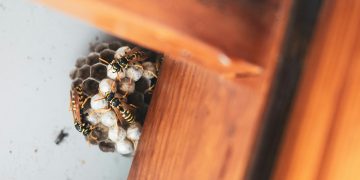
Rats and mice top the list — always. They’re opportunists, and older properties give them plenty of routes in: gaps around pipework, damaged soffits, loose brickwork. Wasp nests show up seasonally, usually in loft spaces and garden outbuildings. Ant infestations hit kitchens hard in summer. And pigeons? They’ve been roosting on Lichfield’s rooftops and ledges long enough to feel like residents themselves.
Bed bugs are rarer but not unheard of — mostly in shared accommodation where turnover is high. Fleas tend to follow pets and, occasionally, wildlife passing through gardens.
The catch? Most of these problems don’t start because a property is dirty or poorly managed. They start because pests are doing exactly what pests do: finding warmth, food, and shelter. Humans just happen to provide all three in abundance.
Why Lichfield Specifically Creates Pest Pressure
Seasonal shifts matter here. Warmer months bring insect activity surging upward. Then, as temperatures drop, rodents start probing buildings for somewhere to overwinter. Heavy rainfall changes things too — rats in particular move to higher, drier ground when drainage systems flood. This means pest pressure isn’t a summer problem or a winter problem. It’s a year-round management issue.
Building age is a bigger factor than most people realise. A modern house, properly built and maintained, is actually pretty difficult for pests to enter. But Lichfield has significant stock of older housing — and even small structural defects open the door. Literally. A gap of 15mm is enough for a young mouse. Cracked foundations, deteriorated mortar, poorly sealed vents: all of it adds up.
Here’s the thing: heritage buildings and conservation areas add another layer of complexity. You can’t always make the structural modifications that would be straightforward in a newer property. Listed building restrictions sometimes rule out the most effective exclusion methods, forcing more creative solutions. It’s one of the genuine challenges of pest management in an historic town.
Human behaviour drives a lot of this. Uncovered bins, food waste left in outdoor areas, leaking pipes creating standing water — pests don’t appear from nowhere. They follow resources. In commercial environments, especially hospitality and food prep, the link between hygiene standards and pest activity is direct and measurable.
How Modern Pest Management Actually Works
Forget the image of someone turning up with a spray can. Effective Lichfield pest control these days looks quite different.
Prevention comes first — and for good reason. Sealing access points, improving waste handling, managing vegetation near buildings, fixing leaks: these interventions reduce the conditions that allow pests to thrive rather than just knocking back numbers temporarily. They’re less dramatic than a treatment visit. They’re also far more effective long-term.
When infestations are already established, targeted treatments become necessary. The specific approach depends on the species and the environment — what works for a wasp nest in a loft is entirely different from addressing a rodent problem in a food production facility. Done well, these treatments reduce pest numbers quickly and precisely, without causing wider environmental harm.
The approach that’s gained most ground professionally is Integrated Pest Management — IPM for short. It combines inspection, monitoring, prevention, and selective treatment into a structured plan. Rather than reacting to problems, IPM tries to get ahead of them: identifying root causes, tracking activity over time, applying minimal but effective interventions, and reviewing what’s working.
It’s not a quick fix. But it’s genuinely better at delivering long-term results than repeated reactive treatments.
The Bit That Often Gets Overlooked
Not every insect sighting is an infestation. Not every mouse dropping means you have a major rodent problem. Misidentification — either panicking over something minor or dismissing early signs of something real — leads to poor decisions.
Professional assessment cuts through that ambiguity. A surveyor can tell you whether what you’re seeing is seasonal activity, a minor issue, or the visible tip of something that’s been developing for weeks inside your walls. That distinction shapes everything that follows.
Digital monitoring technology is changing this side of pest management too. Sensors that detect activity and transmit data in real time are increasingly common in commercial settings. Early detection means smaller, cheaper interventions — and far less disruption.
What Property Owners Can Do Right Now
Serious infestations need professional handling. But there’s a lot property owners can do to reduce risk and catch problems early.
Inspect roofs, walls, and foundations regularly — look for gaps, cracked pointing, damaged tiles. Keep kitchens clean and storage sealed. Make sure bins close properly and get emptied frequently. Fix plumbing leaks as soon as they appear; standing water is a resource for pests. Clear out lofts, garages, and sheds periodically — clutter provides nesting material and cover. And pay attention to early signs: droppings, scratching sounds, gnaw marks, unusual smells.
Early action is genuinely the difference between a minor nuisance and a significant infestation. By the time most people call for help, the problem has usually been developing for longer than they realise.
Where This Is All Heading
Environmental responsibility is reshaping the industry. Reduced chemical use, more precise application methods, greater emphasis on prevention over treatment — these aren’t just marketing talking points. They reflect real regulatory pressure and genuine shifts in what clients expect.
Data is playing a bigger role too. Tracking pest activity across seasons, identifying recurring entry points, mapping high-risk areas within a property: this kind of information allows for smarter, more cost-effective control over time. It turns pest management from a reactive expense into something closer to planned maintenance.
For anyone navigating pest issues in the area, the fundamentals haven’t changed: understand why the problem is occurring, address the underlying conditions, apply targeted treatment where necessary, and monitor going forward. The methods are more sophisticated now. The logic is the same as it’s always been.